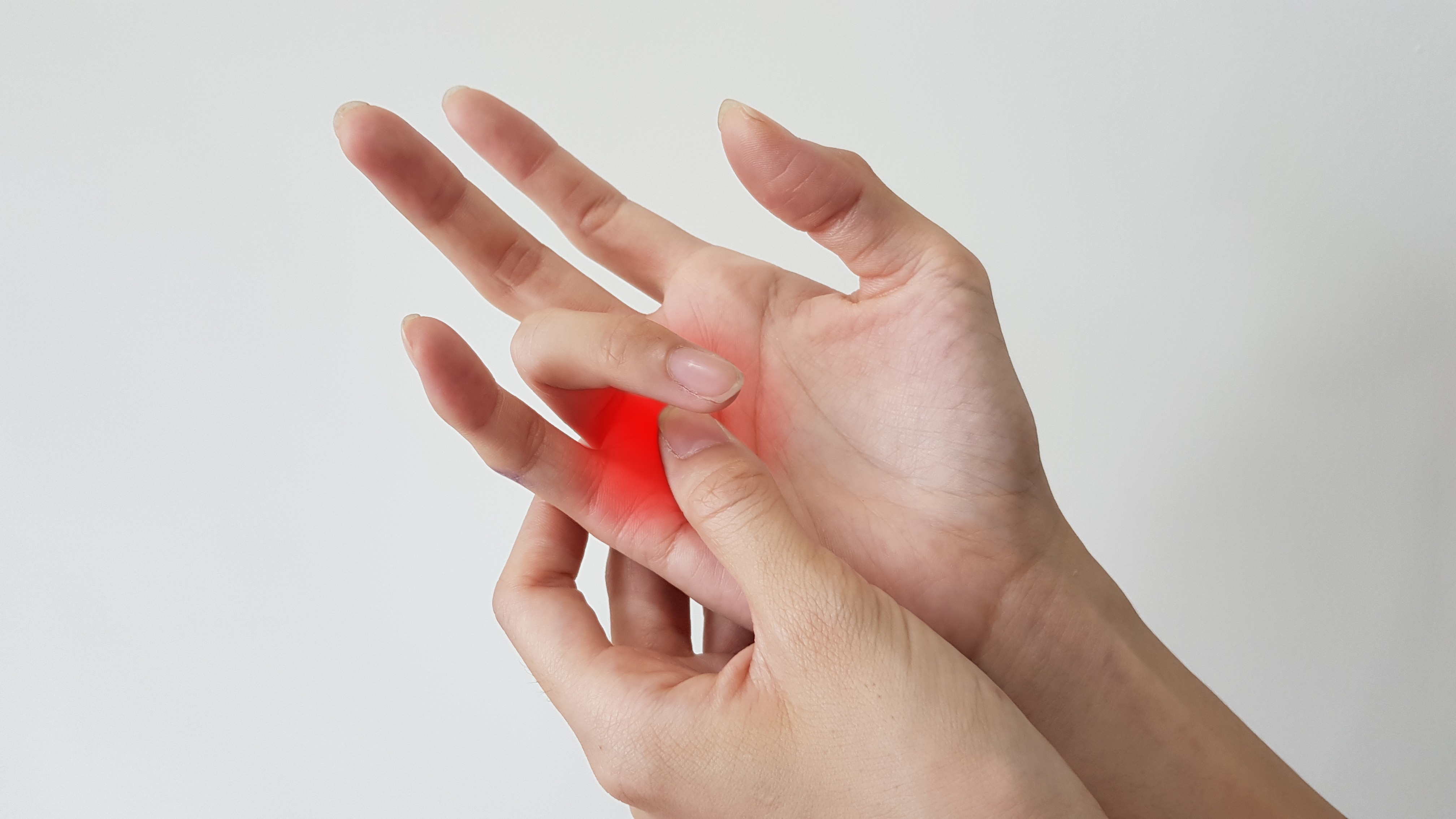
What Is Trigger Finger, and How Long Is Recovery After Surgery?

If you’ve noticed your fingers locking or catching when you try to straighten them, you may have a condition called trigger finger. It can be painful and frustrating, making everyday tasks like typing, holding objects, or even shaking hands difficult. But help is available. Kliniken specialises in diagnosing and treating trigger finger in Harrogate, helping patients regain comfortable and functional movement in their hands. This blog will explore what trigger finger is, its causes, how it’s diagnosed, and available treatment options, including surgery.
Trigger finger develops when there’s irritation or overuse of the tendon sheath that surrounds the finger’s tendons. Over time, the constant friction can cause the sheath to swell or thicken. Some common causes or factors contributing to trigger finger include:
- Repetitive Hand Movements – Jobs or activities that require prolonged gripping, such as gardening, typing, or playing musical instruments, may raise your risk.
- Health Conditions – Those with diabetes or rheumatoid arthritis have a higher likelihood of developing trigger finger.
- Gender and Age – Trigger finger is more common in women, particularly between the ages of 40 and 60.
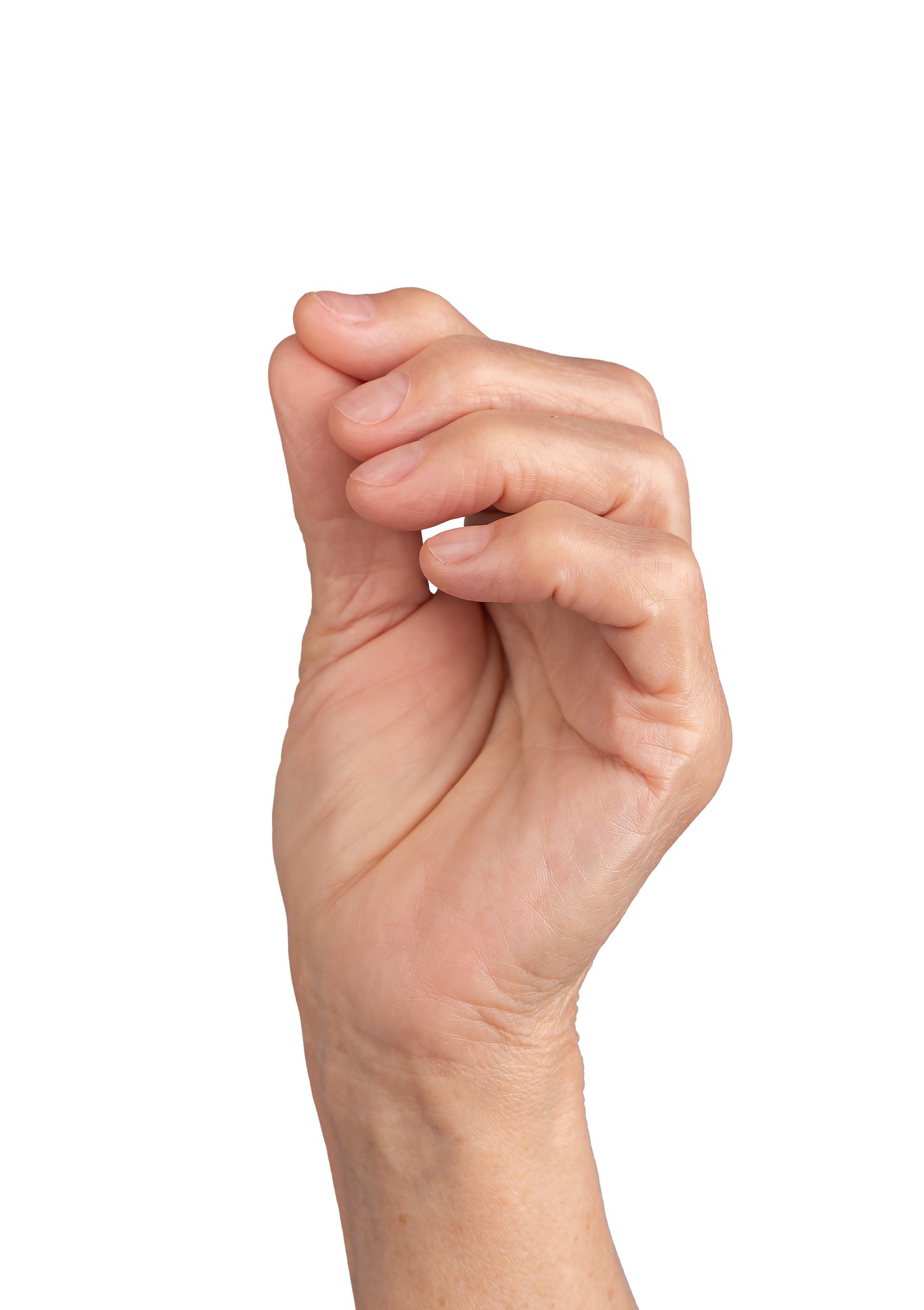
What is Trigger Finger & What Causes it?
Trigger finger, also known as stenosing tenosynovitis, occurs when the tendons responsible for bending your fingers become inflamed. These tendons pass through a series of tunnels in your fingers. Inflammation or thickening of them can disrupt smooth movement, causing your finger to lock or stay in a bent position. The “triggering” sensation is often accompanied by pain at the base of the finger or thumb. Locking may worsen after repetitive use or prolonged inactivity, such as when you’re sleeping.
Trigger finger develops when there’s irritation or overuse of the tendon sheath that surrounds the finger’s tendons. Over time, the constant friction can cause the sheath to swell or thicken. Some common causes or factors contributing to trigger finger include:
- Repetitive Hand Movements – Jobs or activities that require prolonged gripping, such as gardening, typing, or playing musical instruments, may raise your risk.
- Health Conditions – Those with diabetes or rheumatoid arthritis have a higher likelihood of developing trigger finger.
- Gender and Age – Trigger finger is more common in women, particularly between the ages of 40 and 60.
Diagnosing Trigger Finger
Diagnosing trigger finger is a straightforward process. No imaging tests like X-rays are typically needed. Our team can typically identify the condition through:
- Medical History – We’ll start by asking about your symptoms, how often they occur, and if they affect certain fingers more than others.
- Physical Examination – A doctor will check for tenderness and look for signs of locking or catching when you move your fingers.
- Movement Tests – We may ask you to flex and extend your fingers so that we can evaluate range of motion and severity.
Trigger Finger Treatment Options
The best treatment for trigger finger depends on its severity. Non-surgical interventions are often effective in the early stages, while trigger finger surgery may be necessary for more severe cases.
Non-Surgical Treatments:
- Rest and Splinting – Allowing the finger to rest and using splints to immobilise it can reduce irritation.
- Anti-Inflammatory Medications – Over-the-counter medicines like ibuprofen or prescribed treatments can manage inflammation and pain.
- Steroid Injections – Corticosteroids injected into the tendon sheath can reduce swelling, offering relief that lasts for weeks or months.
Surgical Treatment:
Trigger finger surgery is a highly effective option if non-surgical methods fail. It releases the tight portion of the tendon sheath to allow smooth movement.
Preparing for Trigger Finger Surgery
Properly preparing for trigger finger surgery can ensure a smooth experience and recovery. Our suggestions include:
- Pre-Surgical Consultation – Your surgeon at Kliniken will explain the procedure, discuss potential risks, and answer your questions.
- Adjust Medications – We may ask you to stop taking certain blood-thinning medications.
- Arrange Assistance – You’ll need someone to get you home after surgery and assist with daily activities for a short time.
Our Trigger Finger Surgery Process
Our trigger finger surgery process prioritises your comfort and quick recovery. Typically, the procedure is performed under local anaesthesia and takes 15-30 minutes. Here’s what happens:
- We’ll make a small incision near the base of your affected finger or thumb.
- Our experts will release the tight section of your tendon sheath so that the tendon can glide smoothly again.
- We’ll close and dress the incision, ensuring minimal scarring.

What to Expect After Trigger Finger Surgery
Trigger finger recovery time is generally quick, but knowing what to expect will help ease your concerns. During the first week after surgery, mild swelling and soreness are common. You can minimise it by keeping your hand elevated and following your surgeon’s advice for wound care. After one to two weeks, we’ll remove your stitches and recommend gentle exercises to restore your mobility. Most patients regain full use of their hands with no trigger finger symptoms after six to eight weeks. While complications are rare, minor risks include infection, stiffness, and tenderness at the incision site. However, Kliniken will provide ongoing support and monitoring to ensure a smooth recovery.
Rely on Kliniken to Release Your Trigger Finger
People throughout Harrogate and the surrounding areas have come to trust Kliniken to release their trigger fingers. We have extensive experience treating this condition and ensuring it no longer impacts our patients’ daily lives. Our team is committed to helping you regain pain-free, functional hand movement, so rely on us for trigger finger treatments or surgery.