
For many people, wart recurrence becomes a frustrating cycle that seems impossible to break. But understanding why warts come back enables you to take the right steps to prevent their return. Kliniken can help. Our team in Harrogate focuses on comprehensive treatment approaches that address the underlying factors that contribute to wart recurrence. Our wart treatment tips can significantly reduce your chances of dealing with recurring warts.
What Are Warts?
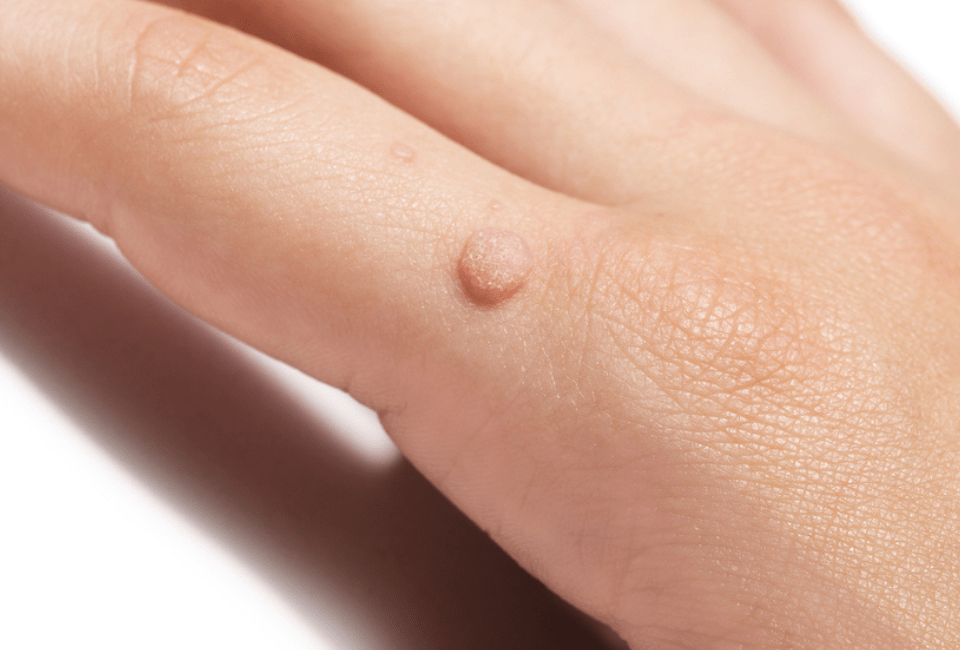
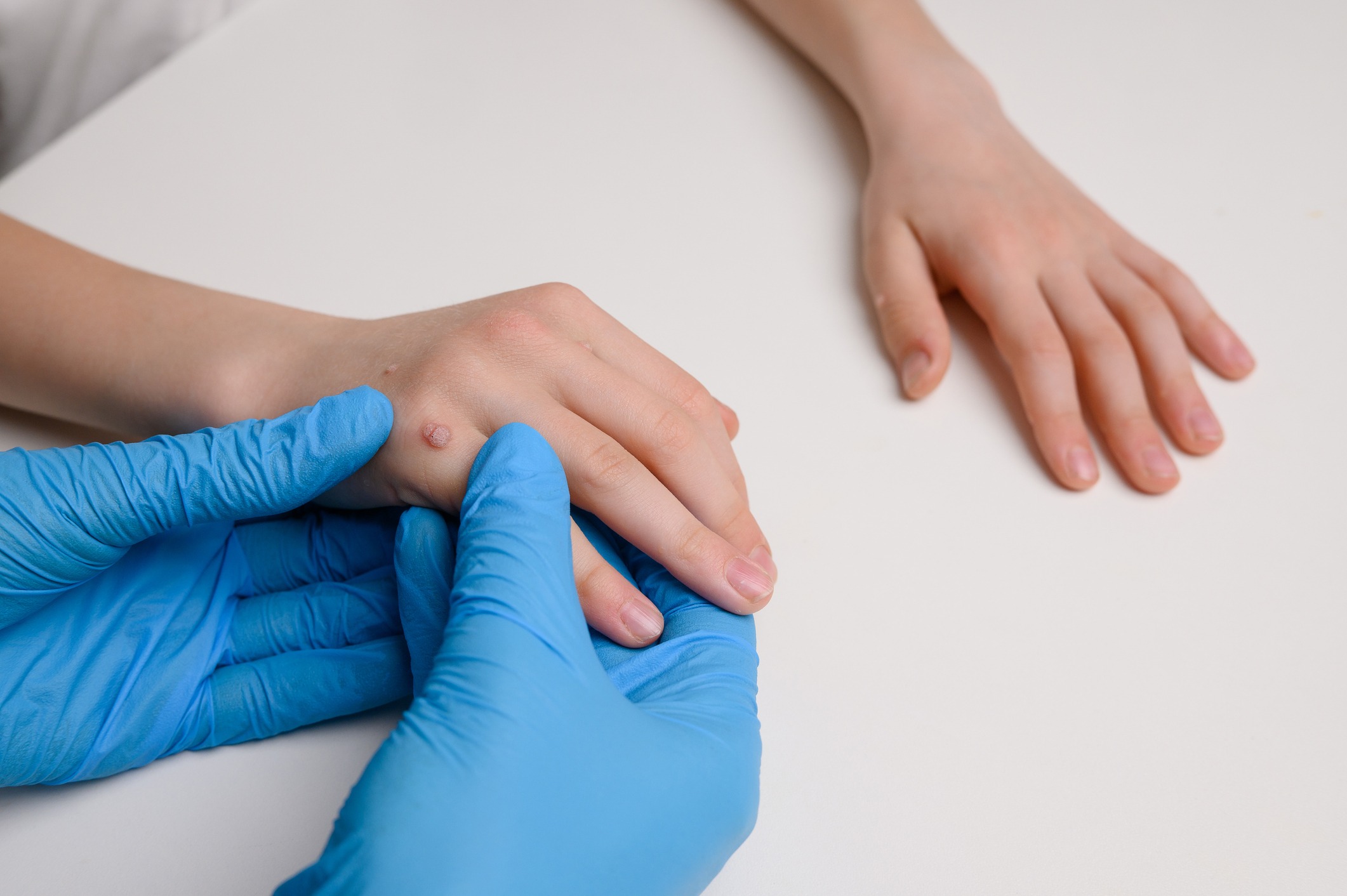
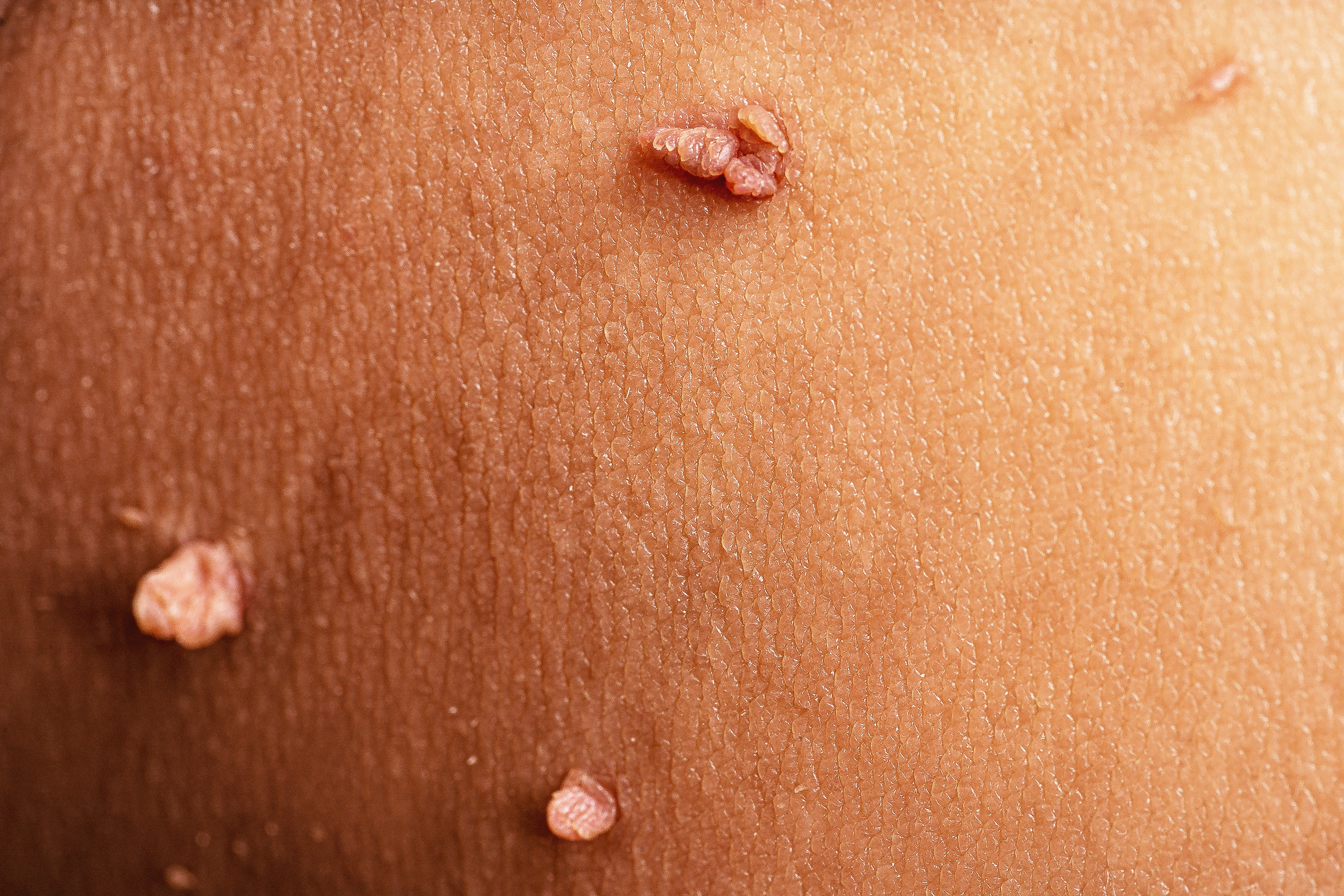
Warts are small, rough growths on your skin caused by the human papillomavirus (HPV). They commonly develop on hands, feet, and other areas that experience frequent contact or minor injuries, but they can appear anywhere. Each type of wart responds differently to treatment, so understanding your specific wart type matters for prevention.
Causes and Risk Factors for Warts
HPV thrives in warm, moist environments and enters your body through small cuts or breaks in your skin. The virus can survive on surfaces for extended periods, making transmission relatively easy in places like swimming pools and changing rooms. The following risk factors increase your risk of developing warts:
- Weakened immune system
- Frequent hand-biting or nail-biting
- Direct contact with warts on yourself or others
- Walking barefoot in public areas
- Having cuts or scrapes on your skin
When to Visit a Doctor
You should consult a healthcare provider if you have painful, bleeding warts or if they change in appearance. Furthermore, any persons who have diabetes or a compromised immune system should seek professional care soon after noticing wart development.
Additionally, always visit a doctor to treat recurring warts. They indicate previous treatments – at-home or otherwise – were incomplete. A specialist can address underlying factors contributing to wart recurrence.
Why Warts Come Back
Understanding the causes of recurring warts is crucial for prevention. Several factors contribute to wart recurrence:
- Incomplete Treatment – The most common reason warts return is that the initial treatment didn’t eliminate all the infected tissue. HPV can hide in healthy-looking skin around the visible wart, and the wart will regrow even if a small amount of infected tissue remains.
- Reinfection – You can develop new warts by coming into contact with HPV again. This might happen if you touch contaminated surfaces or walk barefoot in public areas.
- Immune System Factors – Your immune system plays a vital role in controlling HPV. If your immune system is weakened, the virus can become active again, causing warts to return.
- Viral Persistence – HPV can remain dormant in your system even after successful wart removal. Changes in your health or immune status can reactivate the virus, leading to new wart development.
Our Wart Treatment Tips
Effective wart treatment requires patience and consistency. Professional treatments like cryotherapy, laser therapy, or surgical removal often provide better results than over-the-counter options, especially for stubborn or recurring warts.
During treatment, avoid picking at or scratching warts, as this can spread the virus to other areas of your body. Keep the treatment area clean and dry, and follow all aftercare instructions provided by your doctor.
Finally, consider treating all warts simultaneously rather than one at a time. This approach reduces the risk of spreading the virus from untreated warts to recently treated areas.
Preventing Wart Recurrence
Preventing wart recurrence requires a comprehensive approach addressing direct prevention and immune system support. We suggest:
- Hygiene Practices – Wash your hands regularly and avoid touching warts on yourself or others. Keep your feet clean and dry, and always wear shoes in public areas.
- Boost Your Immune System – Maintain a healthy lifestyle with proper nutrition, regular exercise, and adequate sleep. Managing stress levels also helps keep your immune system functioning optimally.
- Protect Your Skin – Keep your skin healthy and moisturised to prevent small cuts that allow HPV entry. Address any cuts or scrapes promptly.
- Follow-Up Care – Attend all scheduled follow-up appointments with your healthcare provider. Regular monitoring helps catch any signs of recurrence early when treatment is most effective.
- Environmental Measures – Disinfect personal items like nail files and razors. Also, don’t share these items with others.
Why You Should Choose Kliniken
Kliniken takes a personalised approach to wart treatment and prevention. Our experienced team understands that preventing wart recurrence requires more than just removing the visible growth. We work with each patient to identify their risk factors and develop comprehensive prevention strategies. Our treatment protocols remove infected tissue while supporting the body’s natural ability to fight HPV.