
Are you experiencing skin symptoms that may qualify for keloid scar treatment? Dealing with prominent or uncomfortable scars can be a frustrating experience. While most scars fade over time, some can grow larger and become more noticeable. Keloid scars are one such type. Understanding what causes them and the available treatments is the first step toward managing them effectively. As you read below, we’ll answer common questions about keloid scars, from their causes and symptoms to the best ways to reduce their appearance. We will explore various keloid scar treatment options to help you find a solution that works for you.

What are keloid scars and what causes them to develop?
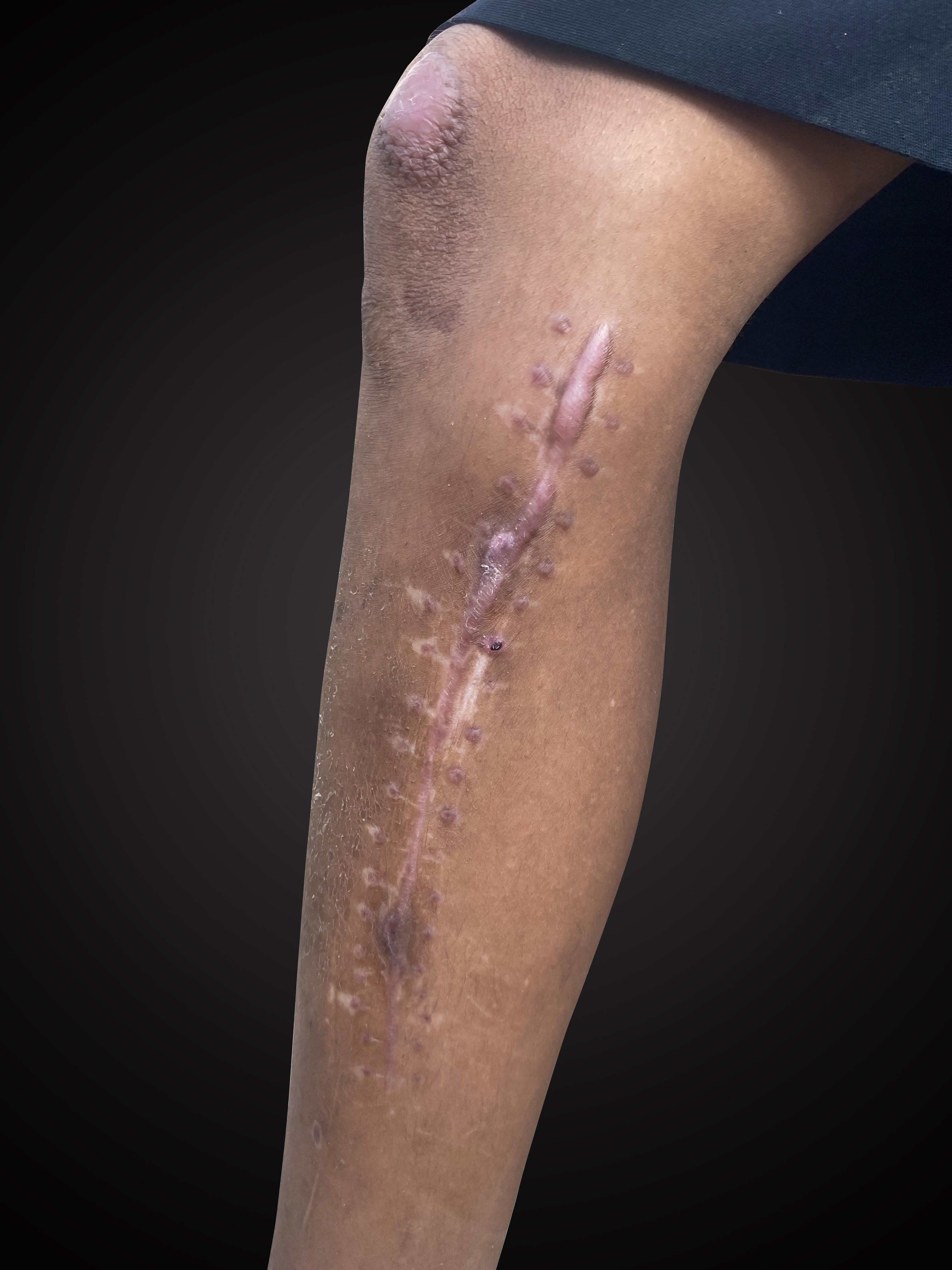
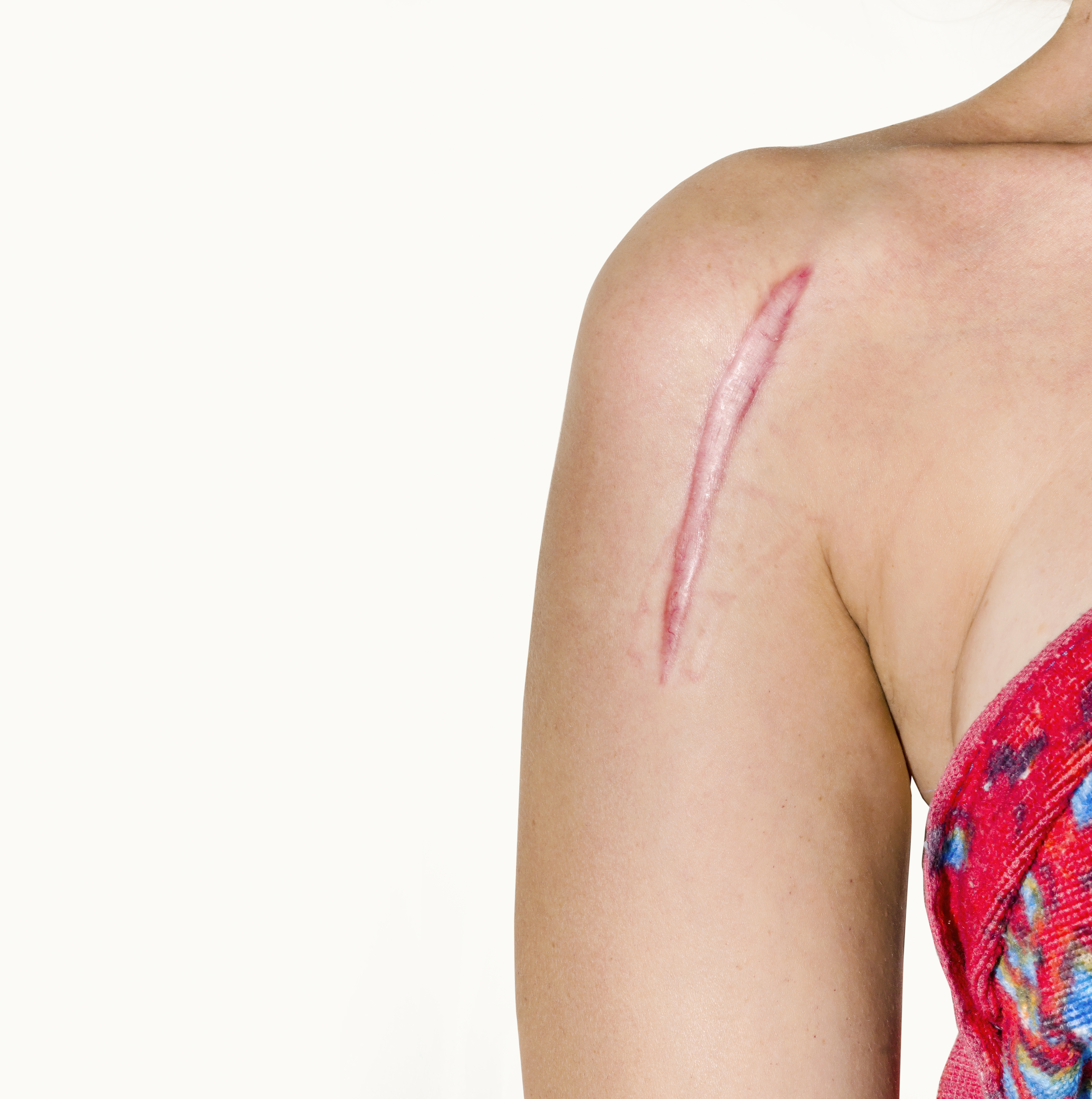
A keloid is a raised scar after the skin has healed from an injury. Unlike typical scars, which are flat and fade over time, keloids are the result of an overproduction of collagen. The scar tissue continues to grow even after the wound has closed, expanding beyond the original injury site. This results in smooth, hard growth that can be much larger than the initial wound.
Keloids form due to an overly aggressive healing process. When your skin is injured, your body produces collagen to repair the damage. In some people, the body produces too much collagen, which leads to the formation of a keloid. While they can appear after any skin trauma, specific injuries are more likely to lead to keloids. These include:
- Acne and chickenpox scars
- Burns
- Ear piercings
- Surgical cuts
- Vaccination sites
What are the symptoms of keloid scars?
Keloid scars have a distinct appearance and can cause various symptoms. Identifying them early can help in seeking timely treatment. Common symptoms include the following:
- A localised area that is flesh-coloured, red, or pink initially
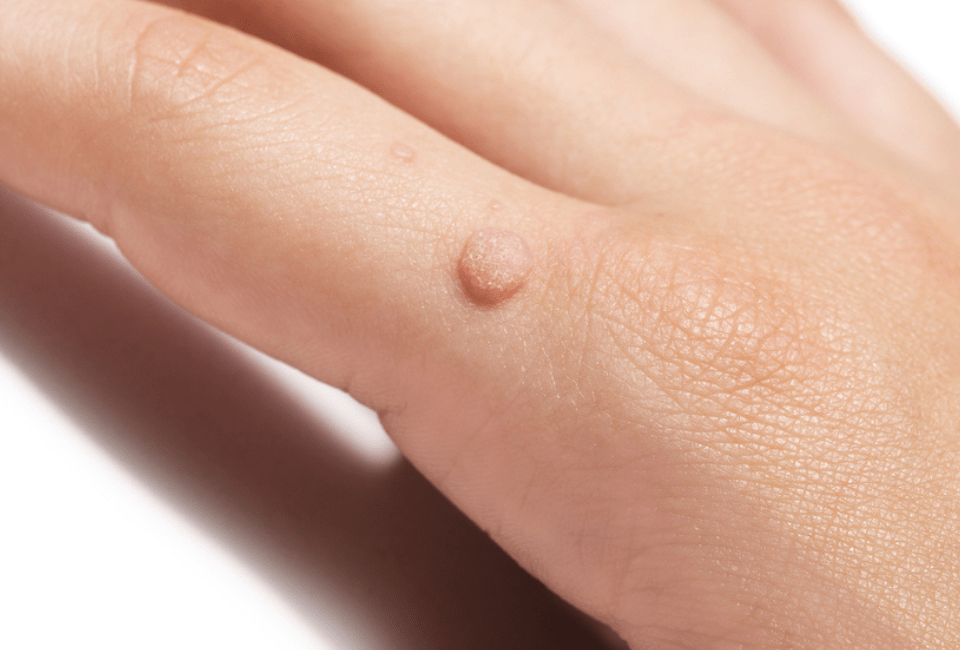
- A lumpy or ridged area of skin that is usually raised
- A scar that grows larger over time
- An itchy patch of skin
- Discomfort or irritation, especially from friction with clothing
How can I reduce the risk of getting them?
While it is not always possible to prevent keloids, especially if you are genetically predisposed, you can take steps to lower your risk. The most effective strategy is to avoid unnecessary skin trauma. Here are a few preventative measures:
- Avoid cosmetic surgery: If you or your family have a history of keloids, consider avoiding elective procedures like cosmetic surgery.
- Take care of piercings: If you get a piercing, follow aftercare instructions diligently to prevent infection and excessive inflammation.
- Treat wounds promptly: Clean and cover any new wound to promote healthy healing and reduce the chance of infection. Using a pressure dressing or silicone gel sheet on the wound as it heals may also help.
- Protect your skin: If you have acne, seek effective treatment to prevent scarring. Always protect your skin from the sun, as UV exposure can discolour scars and make them more prominent.
What does keloid scar treatment involve?
Several effective treatment options are available if you are looking to get rid of keloid scars. The best treatment for keloid scars often depends on their size, location, and your personal medical history. It is common to use a combination of therapies for the best results. Keloid scar removal options include:
- Corticosteroid injections: Injecting steroids directly into the scar can help reduce inflammation and flatten the keloid. This is often the first-line treatment.
- Cryotherapy: This method involves freezing the scar tissue with liquid nitrogen to break it down and stop its growth.
- Silicone sheets or gels: Applying silicone sheets or gel to the scar can help flatten it over time by hydrating the tissue and regulating collagen production.
- Laser therapy: Pulsed-dye laser treatments can reduce the redness and flatten keloids. This option is often used in conjunction with other treatments like steroid injections.
- Surgical removal: In some cases, a keloid can be surgically excised. However, there is a high risk of the keloid returning, often even larger than before. This is why surgery is typically combined with other treatments, such as post-operative steroid injections or radiation.
- Radiation therapy: Low-dose radiation can be used after surgical removal to prevent the keloid from growing back.